
You may be searching for Lemon Law in Texas because your new car has returned to the dealership for the same stalling, brake warning, battery drain, or transmission problem more than once. EZ Lemon Law Lawyer can help you assess the repair trail before more time disappears. A single minor rattle can usually wait, but an unresolved safety defect, repeated repairs, or a vehicle sitting at the shop for weeks should not.
Keep every repair order, invoice, text message, and loaner-car receipt. The dates, mileage, technician notes, and number of days your vehicle was out of service can show a pattern that a verbal complaint cannot. Call sooner if a dealer says it “cannot duplicate” the defect, a warranty claim was denied, or the same dashboard warning returns after repair. Delaying can make records harder to gather and deadlines easier to miss.

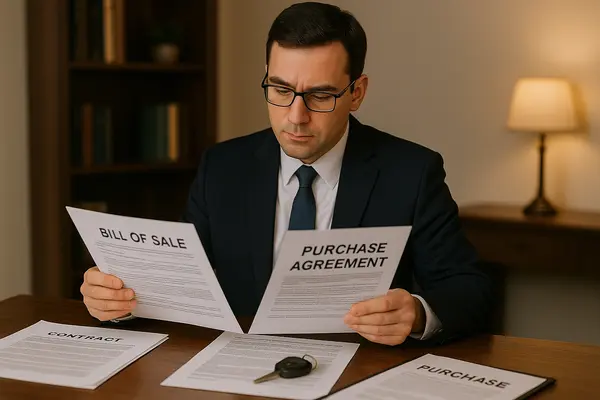
The process starts with the vehicle file: repair orders, warranty terms, purchase or lease contract, mileage records, and any manufacturer notices. car warranty lawyers review the repair history line by line, matching each visit to the reported defect and the days the vehicle remained unavailable. That review helps calculate possible eligibility under Texas law and identifies missing documents, such as an unsigned work order or a dealer diagnostic report.
Next, the claim is organized around the defect, not just frustration with the vehicle. The work may include preparing a manufacturer notice, gathering photos or videos of warning lights, submitting an arbitration filing where appropriate, and documenting each repair attempt. After notice is filed, counsel can negotiate with the manufacturer over a repurchase, replacement, or other resolution. You should know what documents are being sent, what response is expected, and what each proposed outcome means.
One Texas lemon-law matter can look very different from another. A two-year-old SUV with recurring engine misfires, a heavy-duty truck with towing-related transmission failures, and an electric sedan with charging faults create different evidence and repair questions. Lemon law for Tesla Vehicles may involve software updates, battery-range records, service-center appointments, and mobile-service notes rather than a conventional dealer repair bay. Access to complete records can materially affect how clearly the defect is shown.
What is discovered during repair also matters. A replacement sensor may solve an isolated fault, while a recurring wiring-harness or battery-management problem may return despite new parts and software patches. The practical trade-off resembles choosing a repair that buys two years of usable driving versus a replacement vehicle intended to serve for fifteen. Season can matter too: air-conditioning failures are easier to document in a Fort Worth summer, while cold-weather battery or heater issues may be harder to reproduce later.

A Fort Worth homeowner dealing with a defective family vehicle should ask who will review the repair orders, how the mileage timeline will be calculated, and whether denied warranty claims will be evaluated alongside successful repairs. Ask what the initial case assessment covers: the purchase date, VIN, warranty booklet, dealership visits, days out of service, and manufacturer correspondence. A useful explanation distinguishes a frustrating repair experience from facts that may support a legal claim.
Before any filing begins, ask what remedy may be pursued and what paperwork you need to preserve. A good lawyer explains the role of a manufacturer notice, possible arbitration, settlement discussions, and the difference between a repurchase and replacement. They should also explain uncertainties, including missing invoices, a dealer’s “no fault found” notation, or repairs performed outside the warranty period. Clear answers let you decide based on your vehicle’s records rather than a sales pitch.
EZ LEMON LAW LAWYER
1201 Woodhaven Blvd Ste 1218, Fort Worth, TX 76112
(817) 842-1124
info@ezlemonlawlawyer.com
Hours of Operation
Open 24 Hours