
A Tesla that keeps returning to the service center can become more than an inconvenience. You may be dealing with repeated repairs for a touchscreen that reboots, battery-range warnings, faulty door handles, or alerts that remain unresolved after multiple visits. If the vehicle is safe to drive and one appointment is pending, the issue may wait briefly. If braking, steering, charging, or sudden power-loss warnings appear, it cannot. EZ Lemon Law Lawyer can review the paper trail.
Extended time out of service matters, especially when your Tesla has spent days or weeks awaiting a battery module, drive unit, charging component, or software diagnosis. A denied warranty claim can also leave you paying for a defect that began during warranty coverage. Save every repair order, invoice, message from the Tesla app, and loaner-car record. Those documents show what failed, how often it failed, and whether repairs actually resolved the problem.

The process usually begins with gathering the records you already have: repair orders, warranty terms, Tesla service invoices, manufacturer notices, and mileage records. Each document is reviewed against the reported defect, such as a charging failure or recurring warning light. The next step is calculating potential eligibility by looking at repair attempts, days out of service, vehicle age, and the warranty period that applied when the issue was reported.
Learn more about our expert lemon law buyback services.
After the repair history is organized, a formal notice may be prepared for the manufacturer, explaining the defect and supporting records. Some cases involve arbitration filings before negotiation begins; others move directly into discussions with the manufacturer. The possible resolution depends on the facts and documentation and may include additional repair efforts, compensation, or a lemon law buyback. You should know what records are being used and what outcome is being requested before paperwork is submitted.
A newer Model 3 with a recurring camera fault does not present the same issues as an older Model X with a high-voltage battery warning. Vehicle age, model type, mileage, and access to a Tesla service center can affect the repair timeline and the available records. What technicians find after diagnostics also matters: a software calibration issue differs from a failed drive unit, loose wiring harness, or battery-cooling component.
Learn more about our expert Lemon law for GMC services.
Texas summer heat can expose charging, thermal-management, and battery concerns that were less noticeable in mild weather, while parts availability can extend time out of service. The practical trade-off may be a repair that buys two years versus replacement equipment designed to last roughly fifteen, but a legal claim turns on warranty history and failed repair opportunities, not just component lifespan. Lemon law for GMC matters under similar documentation principles, though each manufacturer’s records and defects differ.
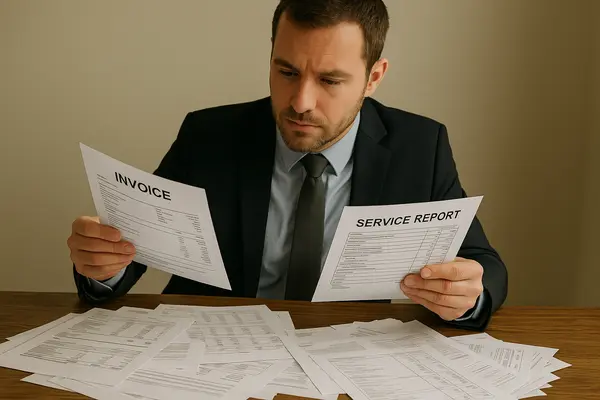
A Fort Worth vehicle owner should ask who will review the actual repair orders, not just a summary of the problem. Ask how the warranty start date, odometer mileage, service-center visits, and days without the Tesla will be documented. A proper case estimate should explain the likely steps, including manufacturer notice, arbitration if applicable, and negotiation. It should also distinguish between a frustrating single repair and a pattern of unresolved defects.
Before any work starts, ask what additional evidence may help, such as screenshots of charging errors, Tesla app messages, towing receipts, or dates a loaner vehicle was needed. A good explanation should cover why each record matters and what the manufacturer may argue about software updates, customer use, or an alleged repair completion. Avoid anyone who promises a specific result without seeing the VIN, warranty documents, and complete service history.
EZ LEMON LAW LAWYER
1201 Woodhaven Blvd Ste 1218, Fort Worth, TX 76112
(817) 842-1124
info@ezlemonlawlawyer.com
Hours of Operation
Open 24 Hours